Professional Experience

KU Leuven, Department of Chemical Engineering

Full-time · Leuven, Belgium
2024 – Present

Administrative and Technical Staff (ATP)

Jun 2026 – Present

  • Mentored and trained PhD students in advanced CFD modeling techniques and industrial transport phenomena.
  • Collaborated with cross-functional engineering teams to validate numerical simulation results against experimental data.

Junior Academic Staff (BAP)

Jan 2025 – Jun 2026

  • Built an automated simulation platform in Jupyter Notebook using the COMSOL-Python, streamlining high-throughput virtual testing.
  • Spearheaded the development of predictive CFD models for medical osmotic pumps in successful collaboration with Johnson & Johnson.

Associate Researcher

Jan 2024 – Jan 2025

  • Developed comprehensive CFD models for electrodialysis membrane systems to optimize process efficiency.
  • Conducted parametric CFD studies to optimize mass transport and flow hydrodynamics in membrane-based separation processes.
COMSOL/ANSYS Python Machine Learning FreeCAD 3D Printing

R&D research Engineer

VITO (Flemish Institute for Technological Research)
2021 – 2024

Location: Mol, Belgium

  • Designed and optimized flow field configurations for alkaline water electrolyzers using multiphase CFD simulations, achieving a 30% energy saving.
  • Developed high-fidelity CFD models for porous transport layers (PTL) and ion exchange membrane systems to minimize ohmic losses.
  • Created Python-based digital twins for dynamic process modeling, mass balance automation, and Balance of Plant (BOP) performance prediction.
  • Managed collaborative R&D projects with John Cockerill, providing crucial technical support for membrane selection and industrial-scale system engineering.
  • Executed CFD scale-up simulations for manifolds, flow distributors, and multi-cell membrane assemblies for commercial applications.
COMSOL Python Alkaline Electrolyzers CO₂ Electrolyzers MATLAB/Simulink

Thermal & Fluids R&D Engineer

INSF, Tehran
2020 – 2021

Location: Tehran, Iran

  • Developed advanced multiphysics CFD models coupling active/passive cooling systems (heat pipes) with thermal management in PEM fuel cells.
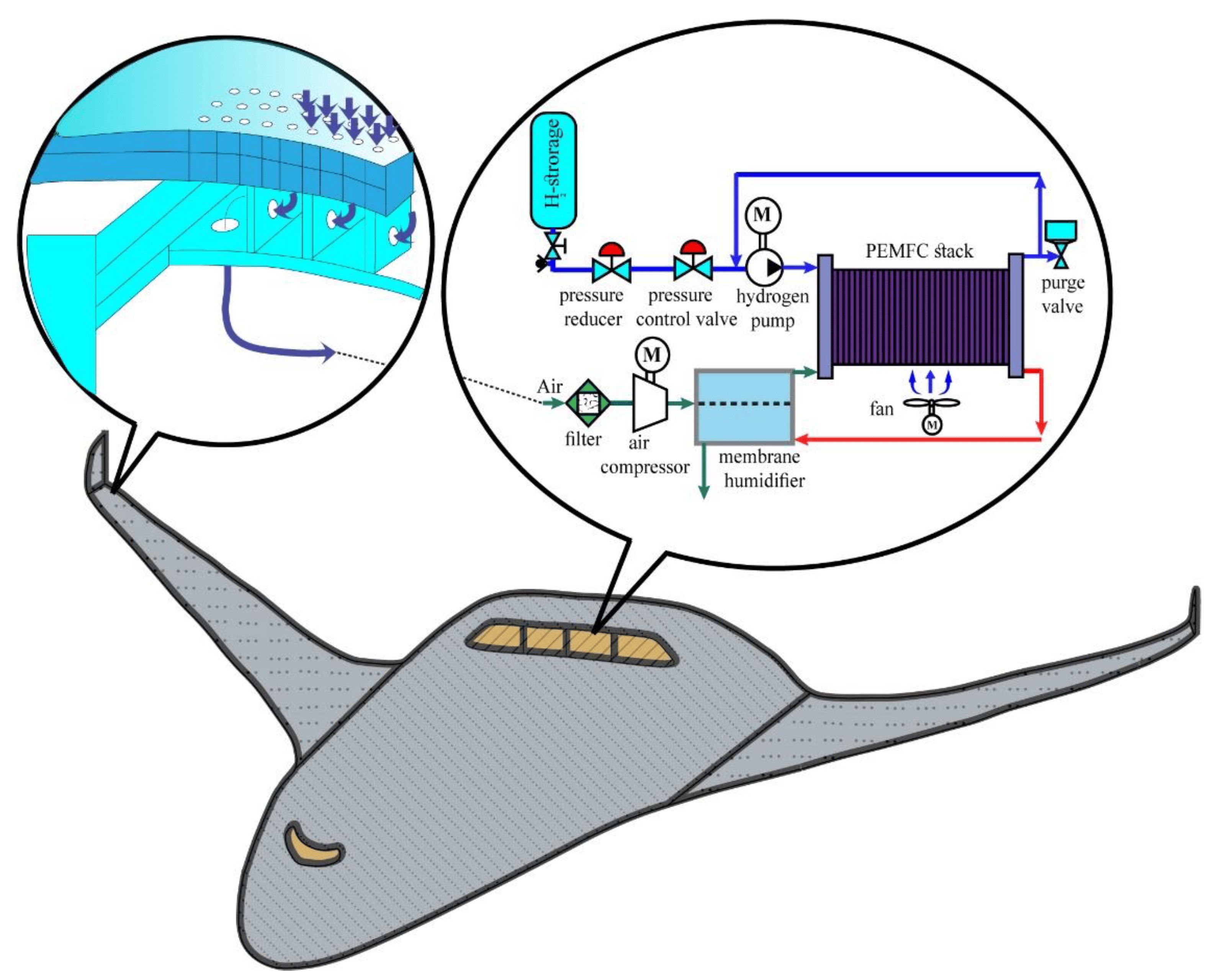
  • Partnered with Braunschweig University on an international engineering project evaluating PEM fuel cell stacks for UAV aerospace applications (Funded by DFG).
PEM Fuel Cells Thermal Management ANSYS / MATLAB

CFD Simulation Engineer

Persian Gulf University
2019 – 2020

Location: Bushehr, Iran

  • Developed reactive flow CFD models to simulate and mitigate coke injection/deposition in ethylene-ethane cracking furnaces.
  • Optimized oxygen mixture nozzle spargers via numerical fluid analysis, significantly increasing mixing uniformity.
  • Evaluated and optimized industrial centrifugal, lobe, and rotary high-pressure pump modifications to enhance hydraulic efficiency.
ANSYS Fluent CFX

Graduate Research Engineer (PhD)

University of Isfahan
2014 – 2019

Location: Isfahan, Iran

  • Conducted comprehensive multiphysics CFD modeling of PEMFC and PEM electrolyzer architectures.
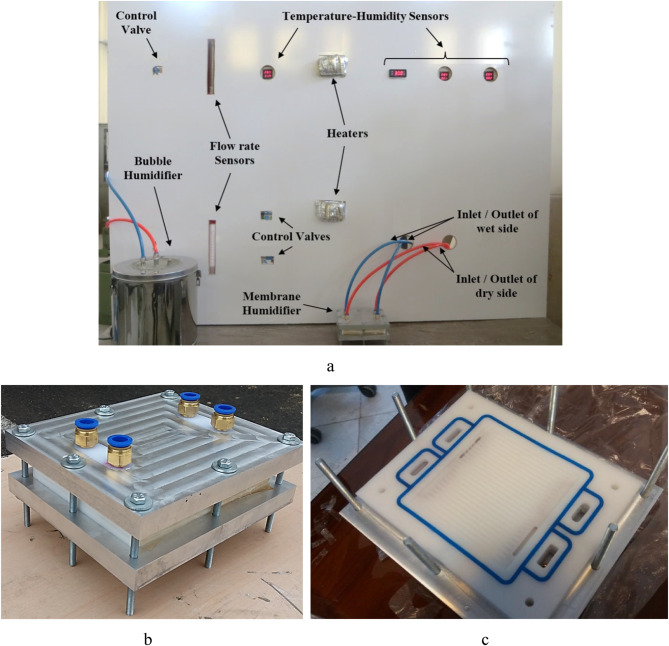
  • Designed and optimized membrane-based humidifier designs utilizing localized mass transfer computational simulations.
  • Delivered technical lectures and hands-on industrial training courses on ANSYS computational fluid dynamics toolsets.
ANSYS Fluent MATLAB Engineering Instruction

Technical Skills

CAE & Simulation

  • ANSYS Fluent / CFX (Expert)
  • COMSOL Multiphysics (Expert)
  • Python / Scripting & Automation (Advanced)
  • MATLAB / Simulink (Advanced)

CAD & 3D Modeling

  • SolidWorks
  • CATIA V5
  • AutoCAD
  • FreeCAD / Blender

Industrial R&D & Optimization

  • Design of Experiments (DOE)
  • Machine Learning & Surrogate Modeling
  • Multi-Objective Optimization (NSGA-II)
  • Data Engineering & Visualization

Languages

  • English (Fluent)
  • Dutch (B1 - Professional Working)
  • Persian (Native)

Research Projects

ML Drug Delivery

ML Drug Delivery

ML-Accelerated Osmotic Pump Drug Delivery Optimization

Duration: 2024 – Present | Institution: KU Leuven, Belgium

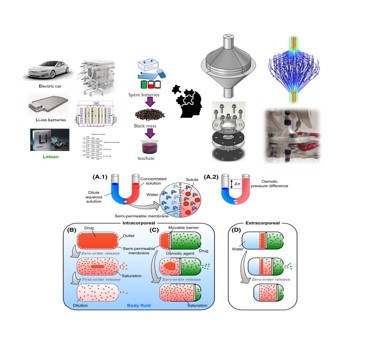
• Challenge: Systematic underprediction of drug and osmotic agent release rates in a dual-compartment co-delivery device, driven by a time-varying solid–liquid interface and nonlinear solubility dependencies not captured by CFD models.

• Method: Built a 2D multiphysics COMSOL model coupling Navier–Stokes, convection–diffusion mass transport, and Population Balance dissolution ODEs. Automated parametric sweeps via a Python–COMSOL API pipeline with RMSE-guided Bayesian optimization, then trained Random Forest surrogate models on the CFD-generated dataset.

• Achievement: Identified and formulated a dynamic convective flux mechanism, closed the osmotic agent mass balance, and replaced computationally expensive finite-element parametric runs with fast ML surrogates — drastically reducing design-space search time.

Tools: COMSOL, Python, ML

Key Results: New S–L interface mechanism identified; RMSE-guided surrogate pipeline targeting <0.5 mg/day prediction error

Electrodialysis Project

Electrodialysis Project

CFD Modeling of electrodialysis system, osmotic pump device, and membrane module

Duration: 2024 – Present | Institution: KU Leuven, Belgium

• Challenge: Optimizing mass transport and selectivity performance parameters during extraction of lithium ions from black mass leachates using ED system.

• Method: Developed and cross-validated comprehensive CFD transport frameworks focusing closely on Selective Monovalent Cation Exchange Membranes (SCEM).

• Achievement: Contributed functional system metrics assisting internal CAD module designs and targeted parameters for custom manufacturing loops.

Tools: COMSOL, Python

HERAQCLES Project

HERAQCLES Project

HERAQCLES

Duration: 2021 – 2024 | Institution: VITO, Mol, Belgium

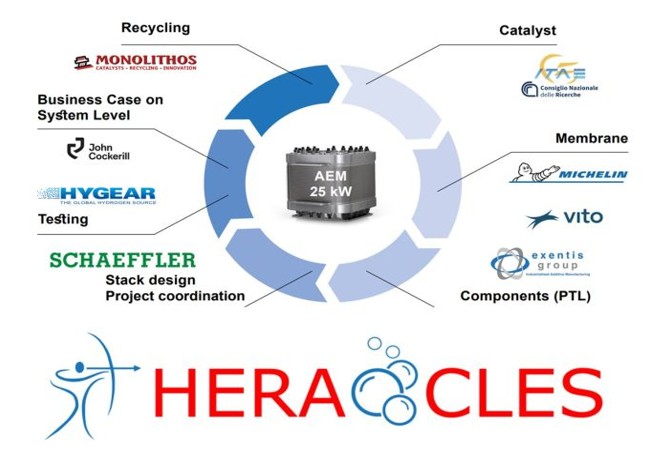
• Challenge: Overcoming fluidic mass transport dead-zones and high overpotentials present in standard rectangular electrolysis cell form factors.

• Method: Designed and simulated a distinct round-cell geometry utilizing multiphase fluid transport mechanics combined with automated Balance of Plant (BOP) analytical code.

• Achievement: Successfully verified mass tracking configurations that yielded up to a 30% reduction in net electrochemical energy expenditure.

Tools: COMSOL, Python

H2-MHYTIC Project

H2-MHYTIC Project

H2-MHYTIC

Duration: 2021 – 2024 | Institution: VITO, Mol, Belgium

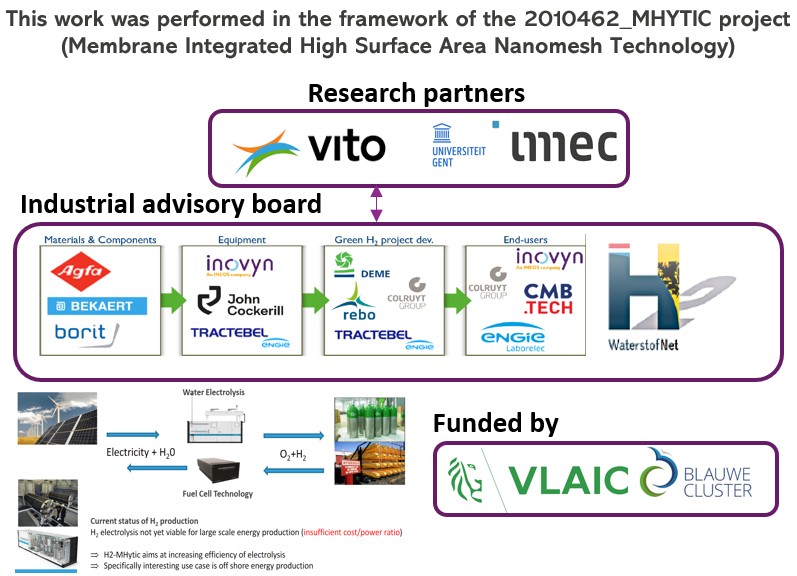
• Challenge: Bypassing the prohibitive economic investment required for noble-metal catalysts within standard green hydrogen stacks.

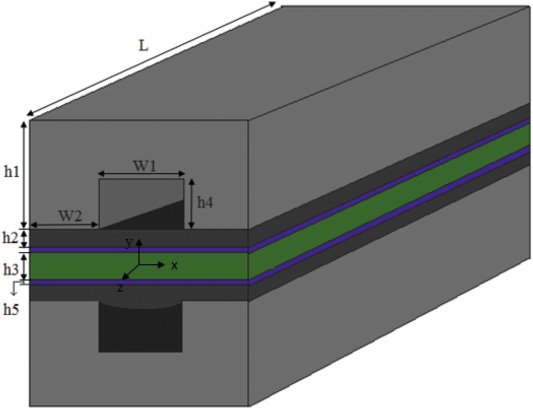
• Method: Evaluated the multi-physics behavior of a high-performance hydroxyl exchange membrane (HEM) system utilizing porous Nanomesh configurations.

• Achievement: Validated a robust, noble-metal-free ceramic membrane system execution that successfully preserves strong operational yields.

Tools: COMSOL, Python

BioRECO2VER Project

BioRECO2VER Project

BioRECO2VER

Duration: 2021 – 2024 | Institution: VITO, Mol, Belgium

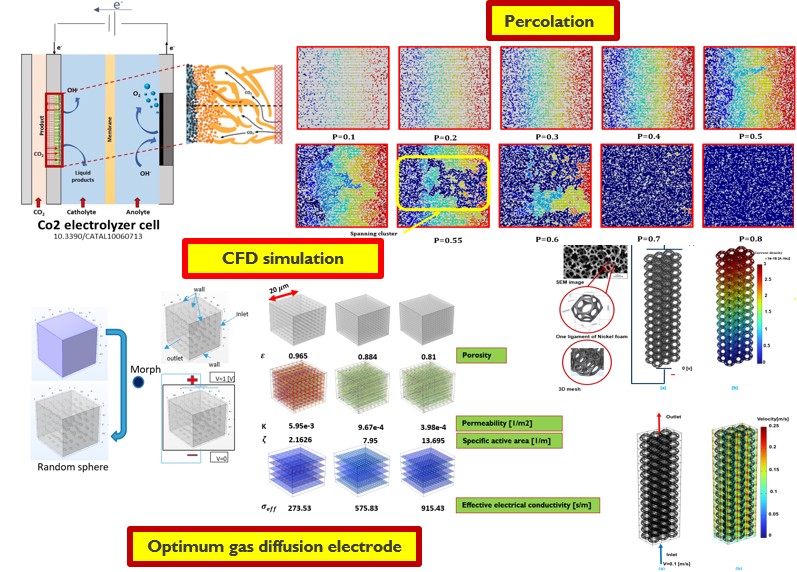
• Challenge: Ensuring optimal fluid percolation distributions in gas diffusion layers under intense mechanical compression stack forces.

• Method: Constructed non-linear stress-coupled electrochemical transport models mapping structural boundaries for a 300 cm2 setup.

• Achievement: Precisely tracked critical percolation threshold metrics, protecting large-scale CO2 electrolyzer units from physical mass flow chokes.

Tools: COMSOL Multiphysics, ANSYS

COLUMBUS Project

COLUMBUS Project

Membrane Selection

Duration: 2021 – 2024 | Institution: VITO & John Cockerill, Belgium

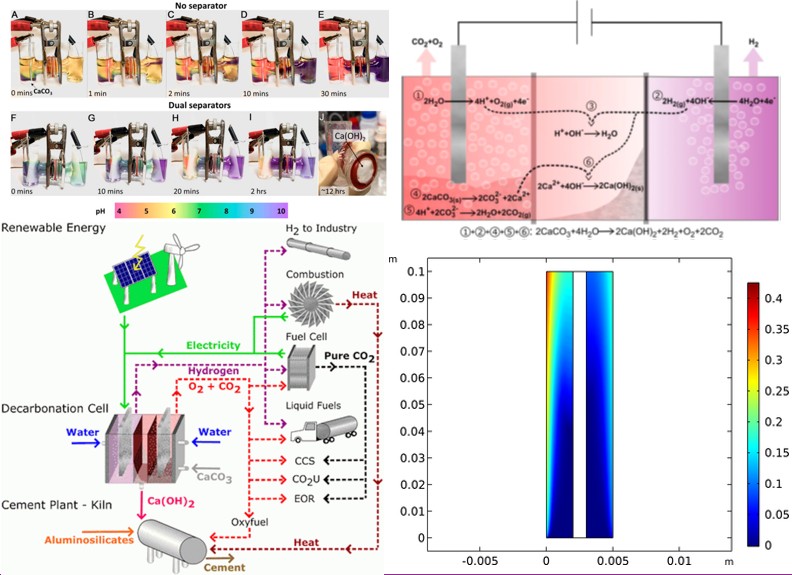
• Challenge: Isolating high-durability, efficient selective layers capable of supporting concurrent electrochemical synthesis during lime production lines.

• Method: Deployed continuum fluidic transport simulations inside COMSOL to map local chemical boundaries and ionic degradation rates.

• Achievement: Formulated structured criteria guiding membrane screening steps for low-carbon industrial production generating calcium hydroxide.

Tools: COMSOL Multiphysics, Process Modeling

Cracking Furnace

Cracking Furnace

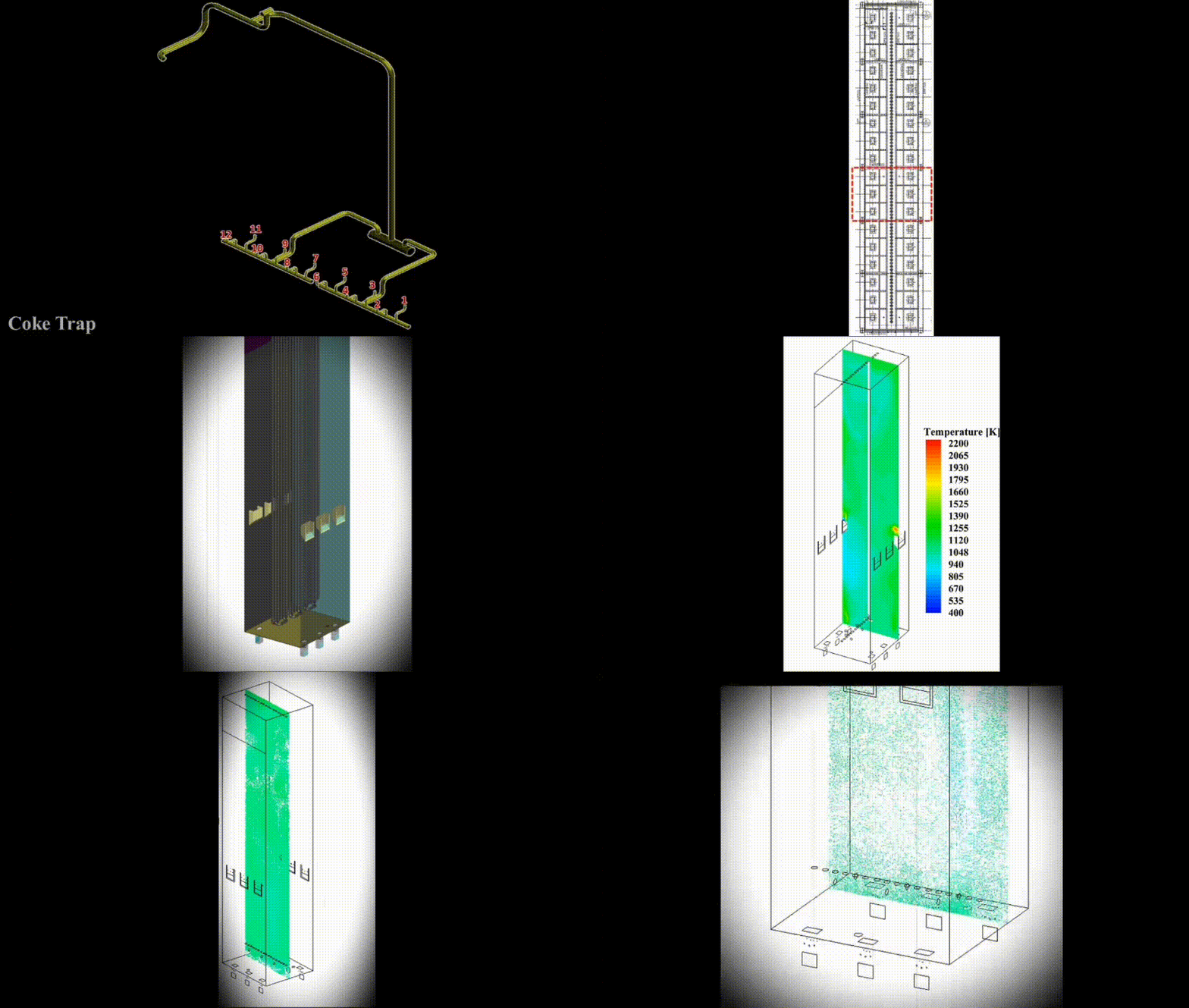
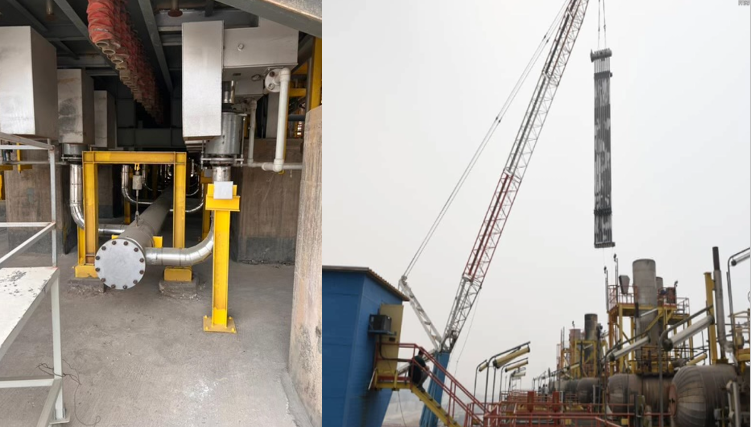
Patented Coke Injection & Removal System in Cracking Furnaces

Duration: 2020 – 2021 | Institution: Persian Gulf University

• Challenge: Mitigating heavy coke deposits formed during ethylene-ethane pyrolysis that spike fuel consumption, drop throughput, and force regular, costly shutdowns every 45–60 days.

• Method: Developed high-fidelity CFD simulations coupling complex aerothermal fields (combustion, conduction, convection, radiation) with transient thermal stresses to optimize insulated, heat-resistant bottom-injection manifolds.

• Achievement: Officially patented and successfully deployed an in-situ combustion technology at a live petrochemical plant, routing coke effluents directly into combustion chambers to eliminate decoke drum operations and reduce greenhouse gas emissions.

Tools: ANSYS Fluent

Centrifugal Pump Analysis

Centrifugal Pump Analysis

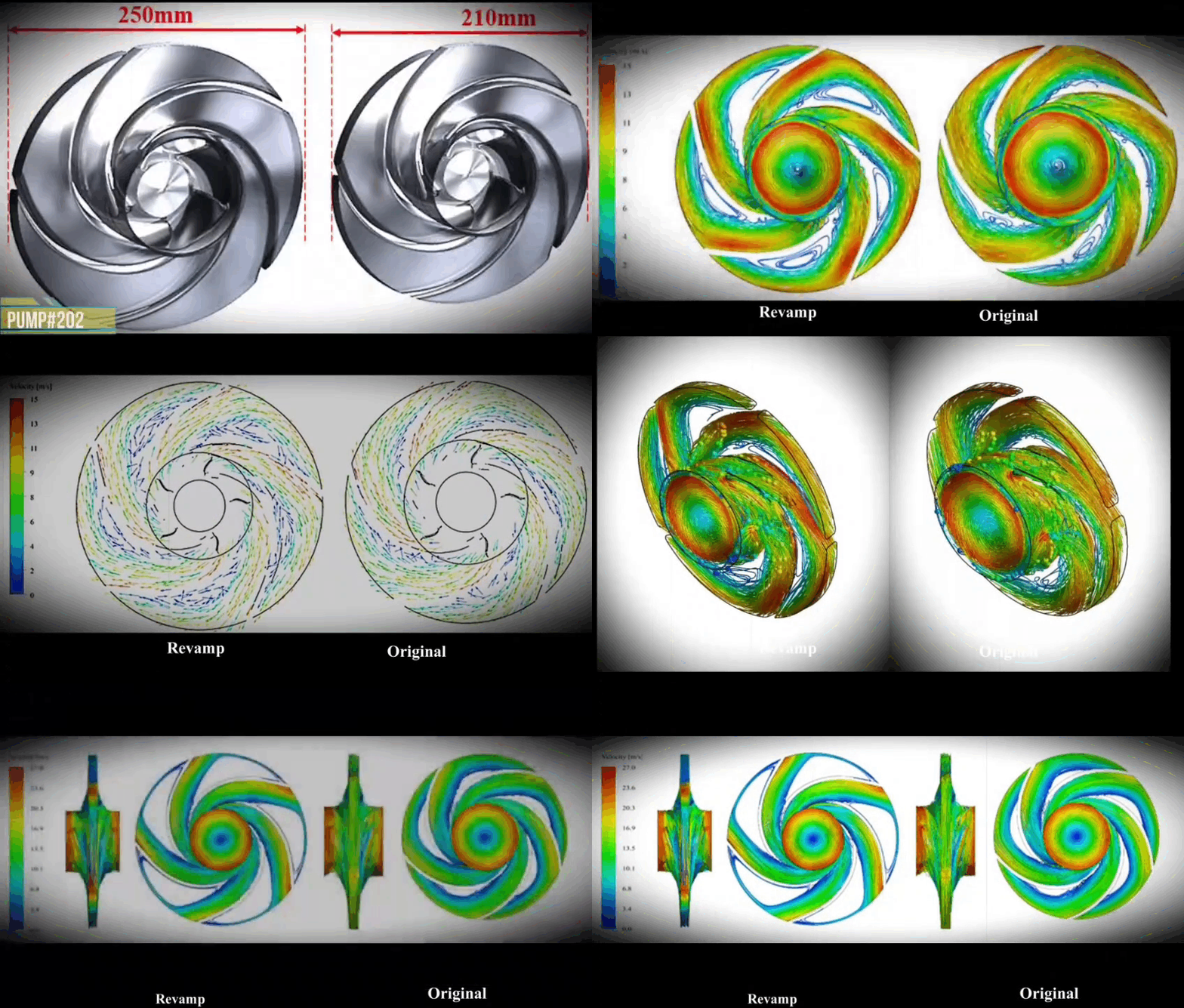
Centrifugal Pump Capacity Enhancement via CFD

Duration: 2020 – 2021 | Institution: Persian Gulf University

• Challenge: Secondary flow losses in industrial process pumps restrict flow capacity and compromise plant operating efficiency.

• Method: Implemented high-fidelity 3D CFD models (ANSYS-CFX) to evaluate operational parameters and optimize internal impeller blade geometry.

• Achievement: Validated redesigns delivered a 10.6% to 59.6% capacity increase across four process pumps while maintaining required head delivery.

Tools: ANSYS-CFX

Oxygen Mixing Nozzle CFD

Oxygen Mixing Nozzle CFD

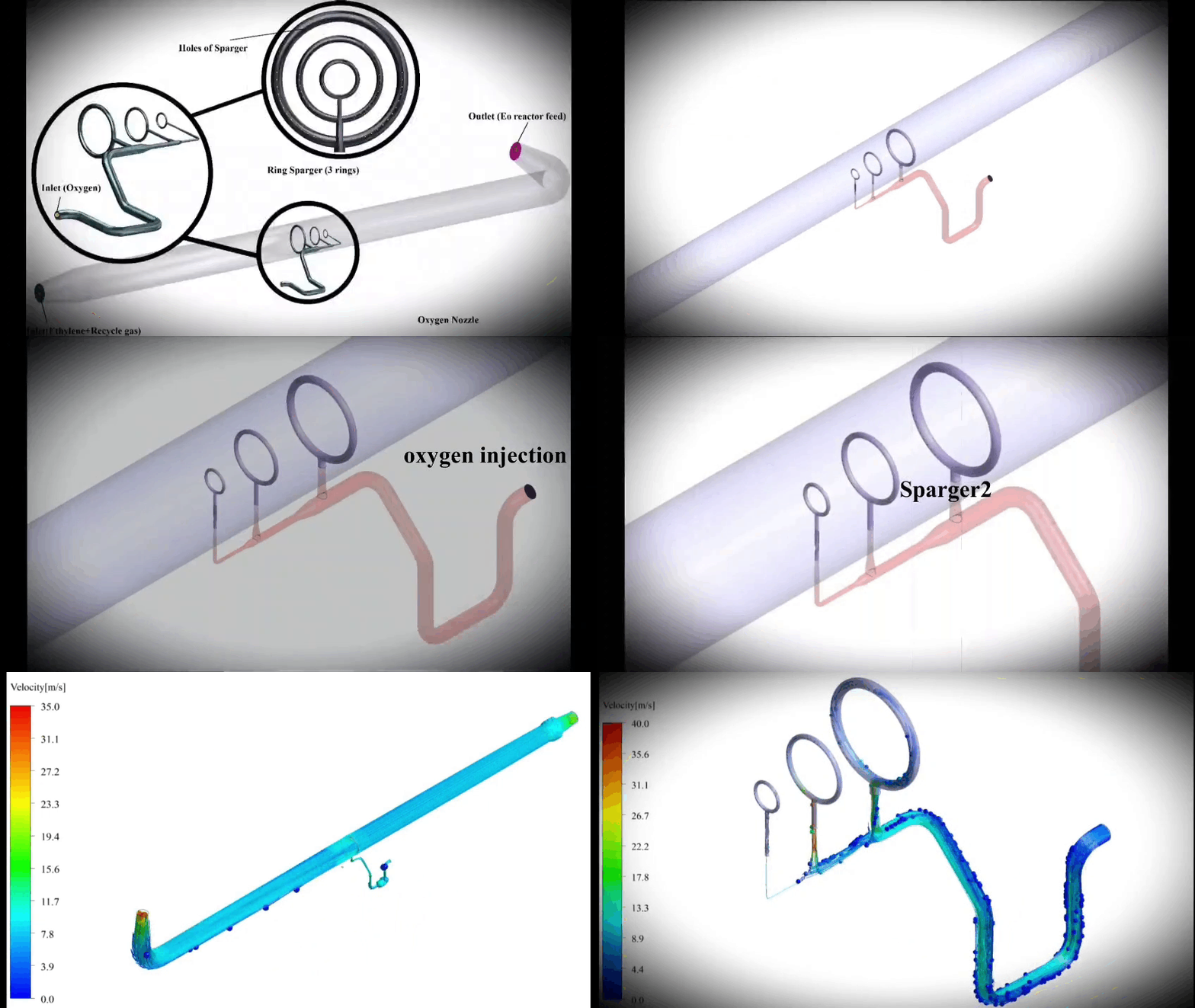
Oxygen Mixing Nozzle CFD Optimization

Duration: 2020 – 2021 | Institution: Persian Gulf University

• Challenge: Achieving high oxygen concentration uniformity during throughput expansion scaling loops in industrial Monoethylene Glycol (MEG) arrays.

• Method: Conducted a rigorous high-velocity multi-component mixing CFD evaluation optimizing internal geometric injector nozzle properties.

• Achievement: Validated a re-engineered internal profile layout that yields elevated mixing qualities across targeted flow streams.

Tools: ANSYS Fluent

Battery Thermal Analysis

Battery Thermal Analysis

Li-Ion Battery Thermal Management System Design

Duration: 2020 | Institution: University of Isfahan

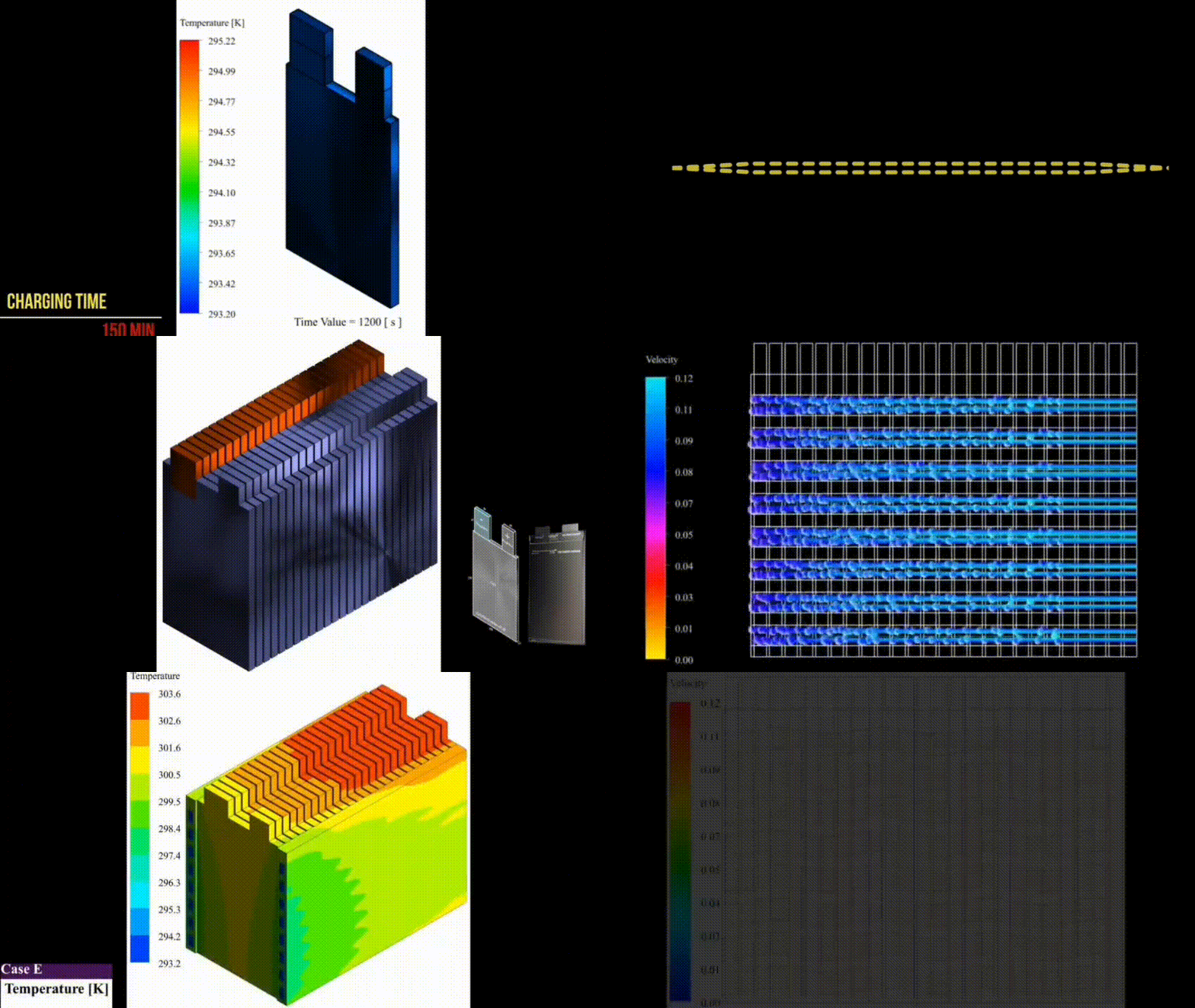
• Challenge: Preventing localized hotspot build-up and extreme thermal degradation in high-capacity LiFePO4 battery packs during elevated discharge rates.

• Method: Conducted high-fidelity advanced CFD simulations coupled with electrochemical-thermal transient multi-field modeling approaches.

• Achievement: Engineered a novel coolant flow field that limited overall thermal gradients to within 5K while preserving an optimal 25-40°C threshold at 4C discharge states.

Tools: ANSYS Fluent

Vanadium Flow Battery

Vanadium Flow Battery

Vanadium Flow Battery – Ion-Selective Membrane Modeling

Duration: 2024 – Present | Institution: KU Leuven, Belgium

• Challenge: Mitigating species crossover and tracking complex electrokinetic fluxes that degrade capacity over time in large-scale energy storage flow cells.

• Method: Built advanced multi-physics transport models strictly resolving the coupled Poisson-Nernst-Planck (PNP) equations inside ion-selective layers.

• Achievement: Accurately simulated dynamic charge distributions and ionic flux pathways, giving explicit criteria to optimize membrane selectivities.

Tools: COMSOL Multiphysics, Python

Key Results: PNP equations, membrane ion selectivity, scale-up

Publications

Publication
Secondary flow mitigation through impeller revamping of a centrifugal pump to improve efficiency and mitigate energy loss
Mina Amirsadat, Ahmad Azari, Ahmadreza Amirsadat, Ali Atyabi, Rouhollah Fatehi, Ali Amirsadat
Case Studies in Chemical and Environmental Engineering | Volume 13, (2026)
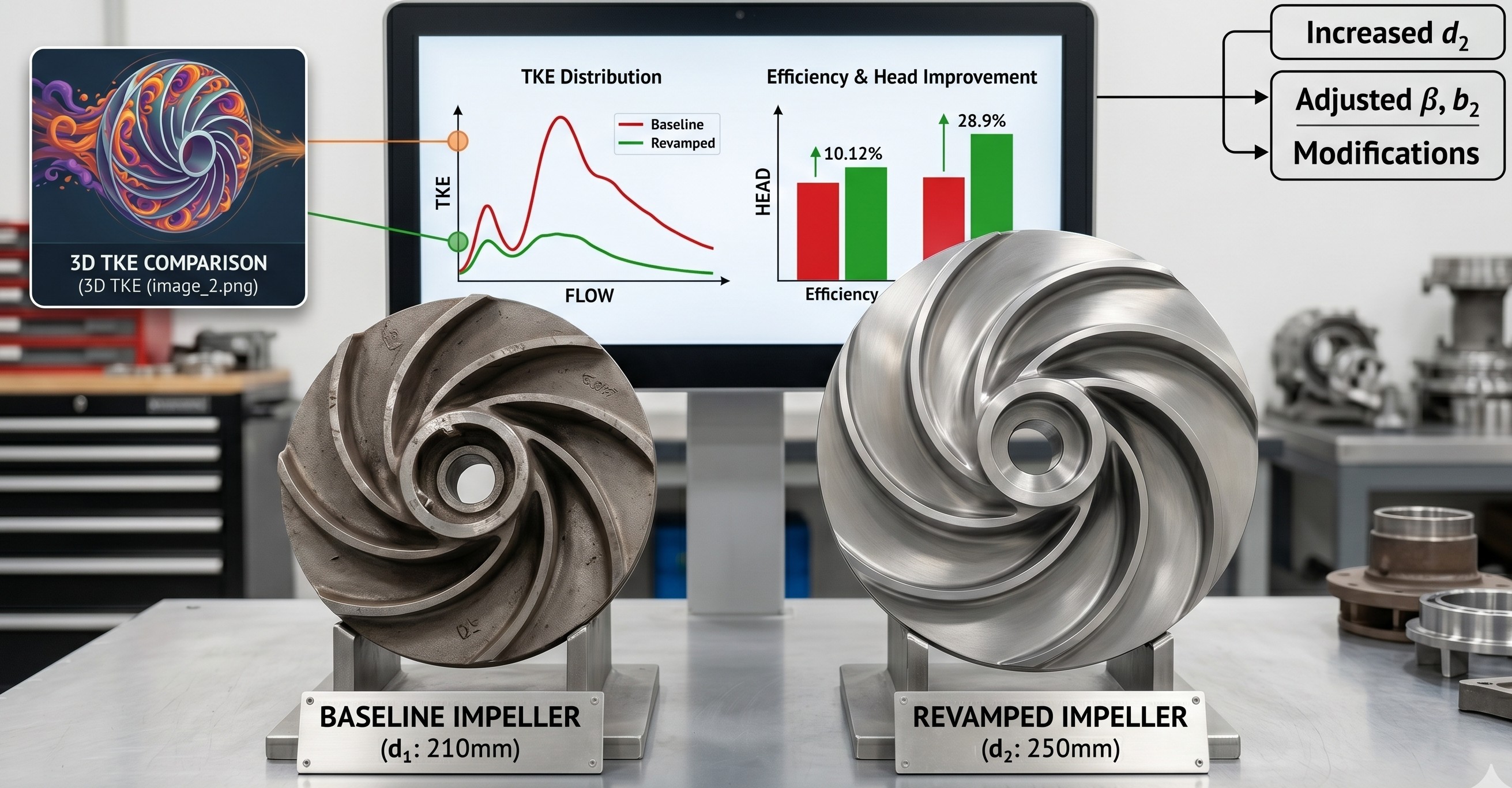
• Challenge: Secondary flow formations and jet-wake structures in industrial pumps cause severe turbulence kinetic energy (TKE) dissipation and internal energy losses.
• Method: Implemented steady-state 3D CFD modeling using the Shear Stress Transport (SST) k-ω turbulence model to upscale the closed impeller diameter from 210 mm to 250 mm.
• Achievement: Reduced the maximum flow deviation angle by ~42.86%, mitigating secondary losses and increasing pump capacity by 59.6% (from 0.02 m3s-1 to 0.0325 m3s-1).
Publication
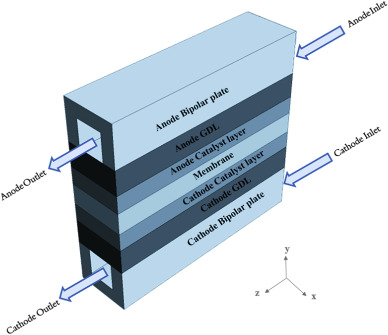
Three-dimensional multiphase modeling of the performance of an open-cathode PEM fuel cell with additional cooling channels
Ali Atyabi, Ebrahim Afshari, Negar Shakarami
Energy | Volume 263, 125507 (2023)
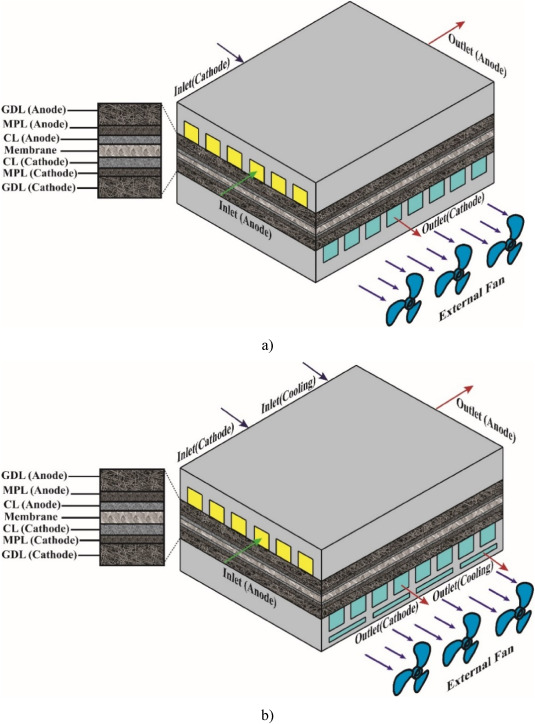
• Challenge: Thermal management and liquid water accumulation limit the performance and steady-state operation of open-cathode PEM fuel cells.
• Method: Developed a comprehensive three-dimensional multiphase CFD model to evaluate the integration of additional, dedicated cooling channels.
• Achievement: Improved temperature uniformity, optimized water management, and significantly enhanced the overall cell voltage and power density.
Publication
Comparison of active and passive cooling of proton exchange membrane fuel cell using a multiphase model
Ali Atyabi, Ebrahim Afshari, Chinonyelum Udemu
Energy Conversion and Management | Volume 268, 115970 (2022)
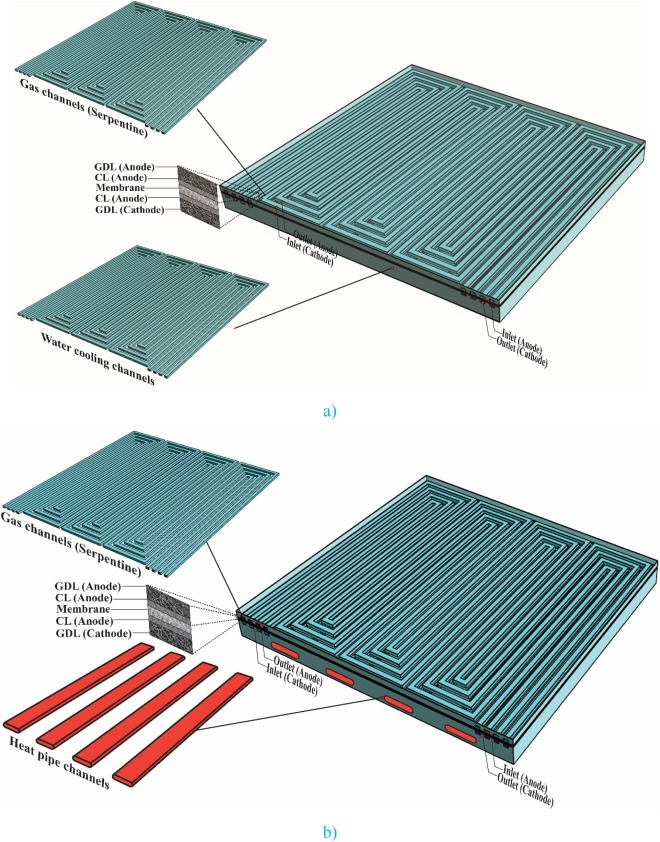
• Challenge: Mitigating severe heat generation and maintaining uniform temperature distribution in Proton Exchange Membrane (PEM) fuel cells to preserve membrane hydration and prevent degradation.
• Method: Developed a comprehensive three-dimensional multiphase CFD numerical model to quantitatively evaluate and benchmark active liquid cooling structures against passive heat pipe systems.
• Achievement: Established optimal design conditions to eliminate local hotspots, optimize internal water content management, and enhance the cell's long-term operational durability and power output.
Publication
Numerical simulation of membrane humidifier with different flow fields for medical application
Ali Atyabi, Ebrahim Afshari, Wei Song, Xinguang Cui
Medicine in Novel Technology and Devices | Volume 15, 100124 (2022)
• Challenge: Standard medical humidifiers often struggle to maintain precise and uniform moisture/temperature delivery required for respiratory and medical devices, risking dynamic instability or condensation issues.
• Method: Conducted a detailed numerical simulation evaluating different flow-field geometric configurations within a membrane humidifier to evaluate mass and heat transport efficiency across the membrane interface.
• Achievement: Identified the optimal channel flow field layout to enhance water vapor transport rates and temperature uniformity, laying out a specific blueprint for highly efficient medical-grade humidification hardware.
Publication
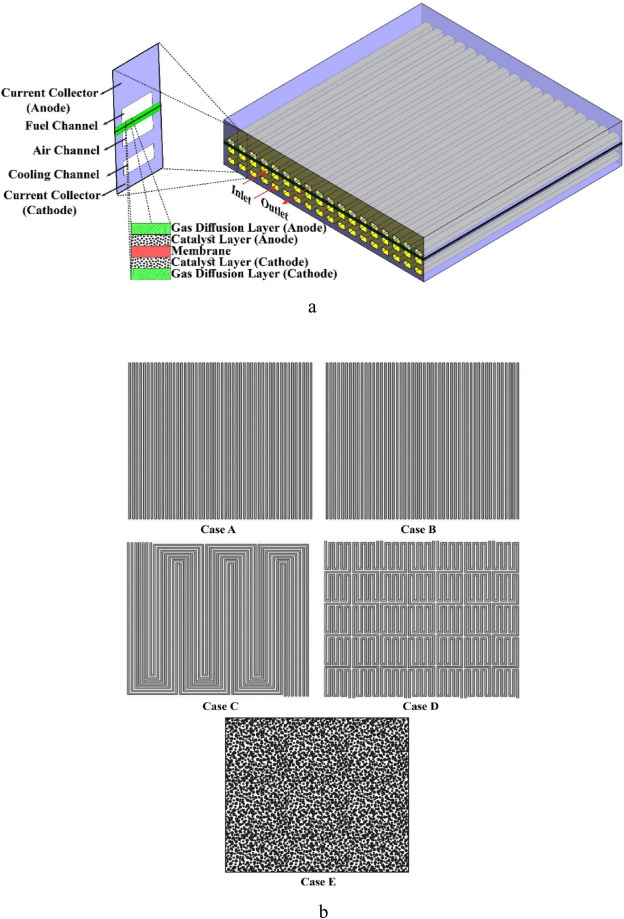
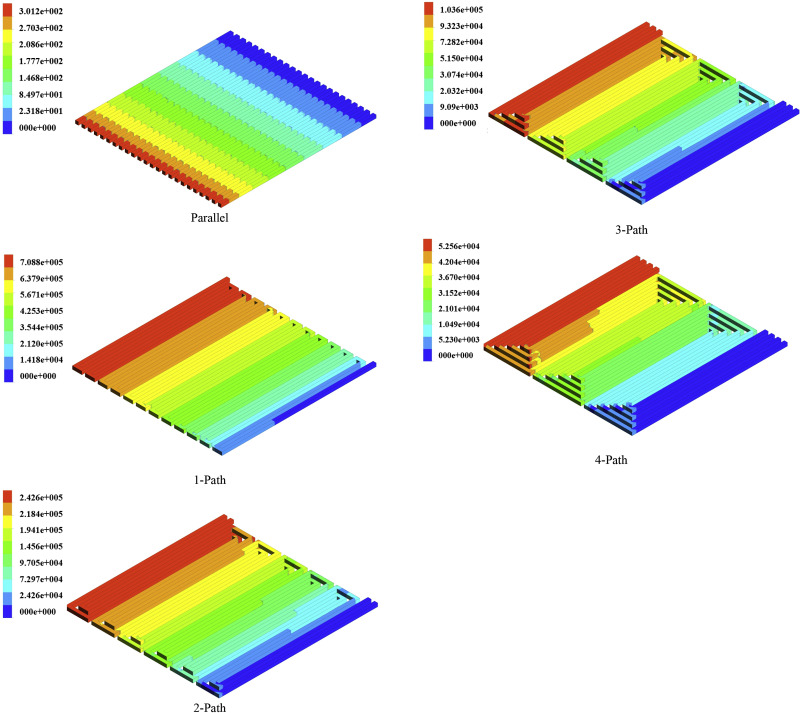
Three-dimensional simulation of different flow fields of proton exchange membrane fuel cell using a multi-phase coupled model with cooling channel
Ali Atyabi, Ebrahim Afshari, Elnaz Zohravi, Chinonyelum M. Udemu
Energy | Volume 234, 121247 (2021)
• Challenge: Performance loss in PEM fuel cells caused by sub-optimal reactant distribution and insufficient heat removal across varying gas flow field geometries.
• Method: Implemented a 3D multi-phase coupled numerical simulation combining the reactant flow fields directly with an integrated localized cooling channel network.
• Achievement: Evaluated different flow field patterns to determine the optimal configuration for reducing local thermal gradients, eliminating liquid water flooding, and boosting net power density.
Publication
Enhancing the Specific Power of a PEM Fuel Cell Powered UAV with a Novel Bean-Shaped Flow Field
Somayeh Toghyani, Ali Atyabi, Xin Gao
Energies (2021)
• Challenge: Standard flow-field configurations restrict the specific power density and distribution efficiency needed for lightweight PEM fuel cells in unmanned aerial vehicle (UAV) systems.
• Method: Proposed and simulated a novel bean-shaped flow field geometry optimized for uniform reactant delivery and reduced localized concentration gradients.
• Achievement: Significantly elevated the cell's specific power and overall operational envelope, meeting strict aerospace weight-to-performance benchmarks.
Publication
Three-dimensional multiphase flow modeling of membrane humidifier for PEM fuel cell application
Ali Atyabi, Ebrahim Afshari, Mohammad Yaghoub Abdollahzadeh Jamalabadi
International Journal of Numerical Methods for Heat & Fluid Flow | Volume 30, Number 1, Pages 54-74 (2020)
• Challenge: Unbalanced multi-phase stream distributions inside membrane humidifiers result in localized dry zones and poor hydration control across the fuel cell membrane stack.
• Method: Formulated a comprehensive 3D multiphase flow CFD model to analyze concurrent heat and mass transfer phenomena across the selective membrane layer.
• Achievement: Derived optimal flow-rate distribution curves and geometry profiles to maintain steady, uniform internal relative humidity levels.
Publication
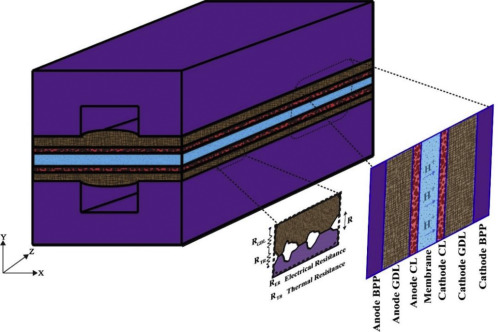
Effects of assembly pressure on PEM fuel cell performance by taking into accounts electrical and thermal contact resistances
Ali Atyabi, Ebrahim Afshari, Somchai Wongwises, Wen-Mon Yan, Abdellah Hadjadj, Mostafa Safdari Shadloo
Energy | Volume 179, Pages 490-501 (2019)
• Challenge: Structural assembly pressure changes localized porosity while heavily modifying thermal and electrical contact resistances between the GDL and bipolar plates.
• Method: Coupled mechanical stress deformations with a multiphysics transport model to evaluate the trade-off between increased contact pressure and gas diffusion restrictions.
• Achievement: Identified the definitive compression pressure threshold that maximizes electrical connectivity without causing severe internal mass transport limitations.
Publication
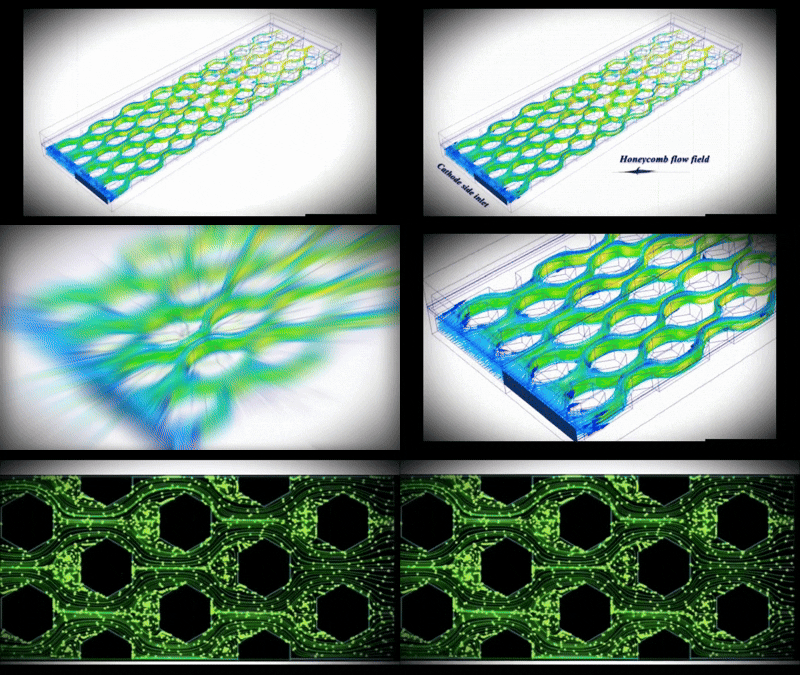
Three-dimensional multiphase model of proton exchange membrane fuel cell with honeycomb flow field at the cathode side
Ali Atyabi, Ebrahim Afshari
Journal of Cleaner Production | Volume 214, Pages 738-748 (2019)
• Challenge: Traditional parallel or serpentine flow channels suffer from liquid water stagnation and uneven reactant consumption across the cathode side.
• Method: Created and solved a 3D multiphase CFD model utilizing a bio-inspired honeycomb structure configuration to enhance secondary flow vectors.
• Achievement: Accelerated local water droplet removal and boosted net current density uniformity across the active membrane area.
Publication
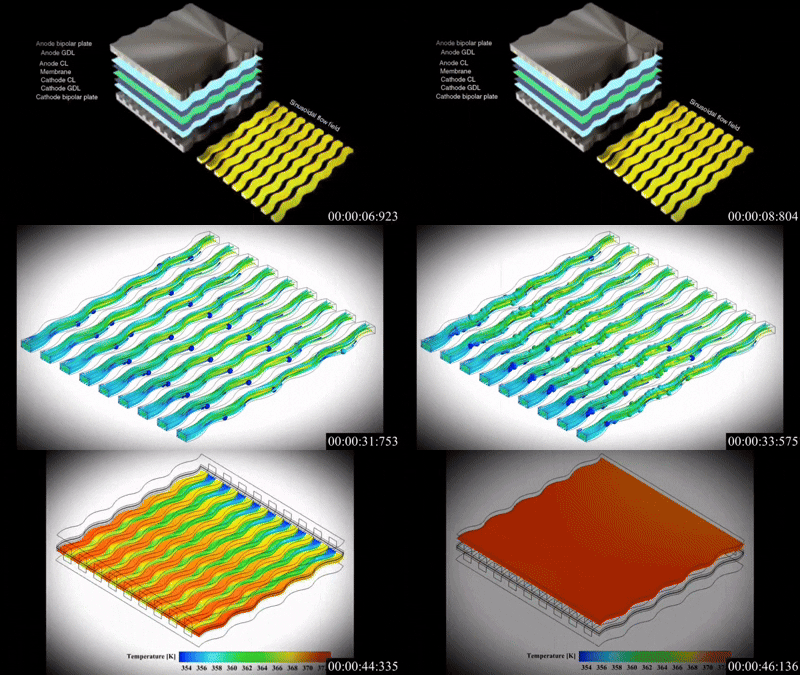
A numerical multiphase CFD simulation for PEMFC with parallel sinusoidal flow fields
Ali Atyabi, Ebrahim Afshari
Journal of Thermal Analysis and Calorimetry | Volume 135, Number 3, Pages 1823-1833 (2019)
• Challenge: Enhancing the convective mass transfer of reactants into the porous gas diffusion layer under lower operating pressures.
• Method: Investigated parallel sinusoidal channel layouts using numerical multiphase CFD simulations to capture dynamic pressure drop fluctuations.
• Achievement: Proven that wave-like channel properties generate highly effective cross-flow currents, noticeably minimizing fuel concentration losses.
Publication
Thermal and electrochemical analysis of different flow field patterns in a PEM electrolyzer
S. Toghyani, E. Afshari, E. Baniasadi, Ali Atyabi
Electrochimica Acta | Volume 267, Pages 234-245 (2018)
• Challenge: Localized temperature variations in PEM water electrolyzers can accelerate membrane degradation and cause poor voltage efficiency.
• Method: Conducted a rigorous combined thermal-electrochemical comparative study tracking multiple flow field patterns under high current workloads.
• Achievement: Established the layout parameters that minimize activation overpotentials and maximize temperature homogeneity across the catalyst layers.
Publication
Thermal and electrochemical performance assessment of a high temperature PEM electrolyzer
S. Toghyani, E. Afshari, E. Baniasadi, Ali Atyabi, G.F. Naterer
Energy | Volume 152, Pages 237-246 (2018)
• Challenge: High-temperature PEM electrolyzers display severe multiphysics complexities where thermal kinetics alter ionic exchange dynamics.
• Method: Simulated high-temperature operations using a modified electrochemical framework tracking steam/water phase states and heat generation links.
• Achievement: Quantified significant performance improvements achieved through thermal activation, lowering overall energy supply thresholds.
Publication
Thermal and electrochemical performance analysis of a proton exchange membrane fuel cell under assembly pressure on gas diffusion layer
S. Toghyani, F. Moradi Nafchi, E. Afshari, K. Hasanpour, E. Baniasadi, Ali Atyabi
International Journal of Hydrogen Energy | Volume 43, Number 9, Pages 4534-4545 (2018)
• Challenge: Excessive structural compression of the porous gas diffusion layer (GDL) chokes mass distribution routes, compromising electrochemical stability.
• Method: Analyzed the interdependent changes in thermal pathways and internal species distributions arising from multi-point assembly compression forces.
• Achievement: Defined clear operational boundaries to prevent localized hotspots and minimize oxygen concentration depletion fields.

Book Chapters

Book Chapter
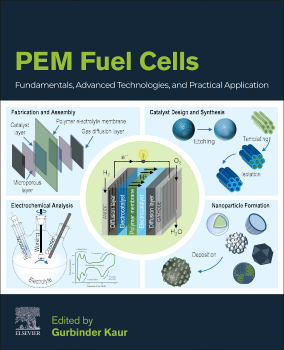
Configuration of proton exchange membrane fuel cell gas and cooling flow fields
E. Afshari, N. Jahantigh, Ali Atyabi
PEM Fuel Cells | Pages 429-463 (2022)
• Challenge: Designing synchronized reactant delivery tracks and dedicated fluidic cooling channels requires strict structural optimization guidelines.
• Method: Compiled a thorough design compendium reviewing layout methodologies, geometric aspect ratios, and flow field configuration principles.
• Achievement: Created a foundational academic blueprint guiding engineering steps for scaled industrial fuel cell stack plates.

Conference Presentations

Conference
The Impact of CFD Modeling on Membrane Module Design
Ali Atyabi, Wim De Schepper, Jan Vaes
Research day-KU Leuven | Leuven, Belgium | 2024
• Challenge: Predicting complex local flow profiles and fouling concentrations in advanced selective membrane modules without expensive testing loops.
• Method: Showcased precise micro-scale computational fluid dynamics (CFD) setups simulating variable fluid shear strains.
• Achievement: Demonstrated how accurate transport simulations directly optimize industrial module geometry and maximize filtration performance.
Conference
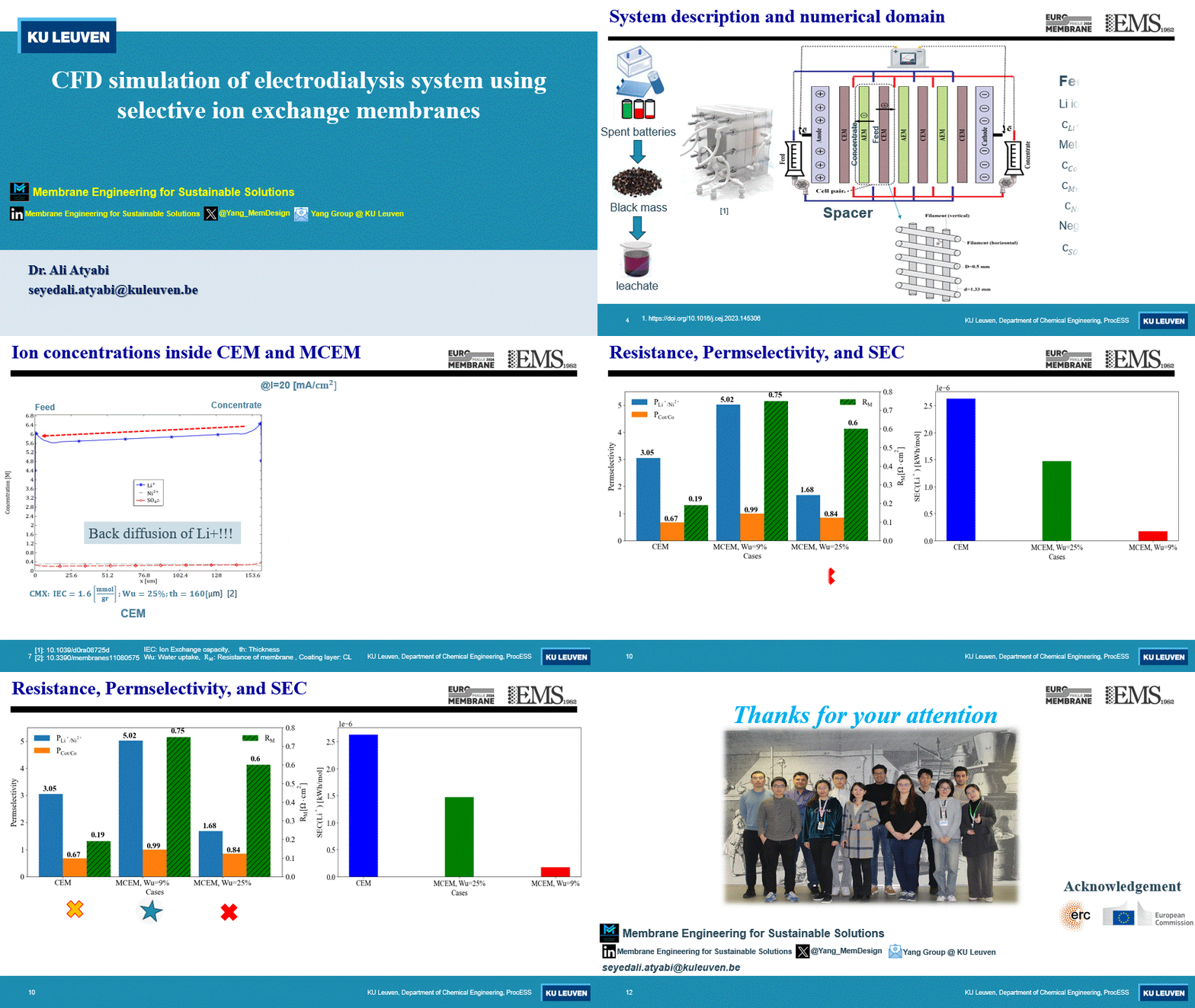
CFD simulation of electrodialysis system using selective ion exchange membranes
Ali Atyabi, X. Yang
Euromembrane 2024 | Prague | 2024
• Challenge: Capturing concentration polarization effects and selective ion migrations across charged exchange channel matrices.
• Method: Developed a multi-ion transport CFD model combining fluid flow dynamics with Nernst-Planck electrochemical equations.
• Achievement: Validated key spacer geometry improvements that reduce power requirements and counter desalinization performance bottlenecks.
Conference
A multiphase transport model for the evaluation of electrode and PTL bubble coverage in a zero-gap hydroxyl exchange membrane water electrolyzer
Ali Atyabi, Wim De Schepper, Jan Vaes
EFCF 2023 | Lucerne, Switzerland | 2023
• Challenge: Accumulated gas bubbles block liquid paths on electrodes and porous transport layers (PTL), reducing zero-gap system voltage efficiency.
• Method: Constructed a multiphase transport simulation tracking micro-bubble release mechanics and surface shielding ratios.
• Achievement: Isolated specific PTL pore structure changes that facilitate bubble departure and reduce mass transport overpotentials.
Conference
Electrochemical simulation of alkaline water electrolyzer cell by a 1D model with two different types of the membrane (anion exchange membrane and separator)
Ali Atyabi, Wim De Schepper, Jan Vaes
Continuum Modeling in Energy Applications, DIFFER | Eindhoven | 2023
• Challenge: Accurately benchmarking the ionic voltage drop differences between dense anion exchange membranes and porous diaphragm separators.
• Method: Developed a concise 1D continuum electrochemical cell model to capture localized concentration variations and ohmic losses.
• Achievement: Mapped clear operational current ranges where dense exchange membrane structures outperform typical physical separators.
Conference
Predictive, multiphysics simulation of effective electrical conductivity, permeability, porosity, and specific active area of gas diffusion electrode microstructure
Ali Atyabi, A. Farkhondehfal, Y. Birdja, W. Schepper
Symposium on Insights into Gas Diffusion Electrodes, Max Planck | Magdeburg, Germany | 2023
• Challenge: Correlating microscopic fiber layout properties with macroscopic transport values inside custom-fabricated gas diffusion electrodes.
• Method: Executed an advanced multi-physics micro-stochastic simulation explicitly extracting fluid permeability, tortuosity, and electrical conductivity networks.
• Achievement: Formed a highly predictive parameter model mapping structural architecture configurations directly to absolute electrochemical performance.

Education

Ph.D. in Mechanical Engineering (Energy Conversion)

University of Isfahan, Isfahan
2014 – 2019

Dissertation: Numerical and Thermodynamic Modeling and Multi-Objective Optimization of a PEM Fuel Cell car Power Generation System Using Genetic Algorithms.

Tools: ANSYS Fluent, MATLAB, Genetic Algorithms toolbox, EES

Achievement: Published 8 journal papers

M.Sc. in Mechanical Engineering (Energy Conversion)

Isfahan University of Technology, Isfahan
2010 – 2013

Thesis: Computational Fluid Dynamics Modeling and Design Optimization of a Honeycomb Flow Field for a PEM Fuel Cell Stack

Tools: ANSYS Fluent, MATLAB

Achievement: Novel flow field design

B.Sc. in Mechanical Engineering (Solid Mechanics)

Isfahan University of Technology, Isfahan
2005 – 2009

Foundation: Strong fundamentals in solid mechanics, thermodynamics, and engineering

Patents

Coke Injection Patent
Coke Particle Injection through a Pipeline Network for Coke Removal in Furnace Combustion Chambers
Ali Atyabi et al.
Patented & Deployed — Petrochemical Facility | 2023
• Challenge: In ethylene-ethane cracking furnaces, secondary pyrolysis reactions form coke deposits on coil surfaces, and after just 45–60 days these deposits raise pressure drop and fuel consumption, forcing costly, throughput-limiting decoking with a conventional Decoke Drum.
• Method: Coupled high-fidelity CFD mapping of the combustion chamber's aerothermal fields (combustion, conduction, convection, radiation) with transient thermal stress analysis to design insulated, heat-resistant bottom-injection manifolds that route coke particles directly into the furnace combustion chamber for in-situ combustion.
• Achievement: Patented and successfully deployed at a live petrochemical plant, eliminating conventional Decoke Drum operation, cutting decoking downtime and fuel/energy use, lowering greenhouse gas emissions, and reducing thermal stress on equipment.

Certificates

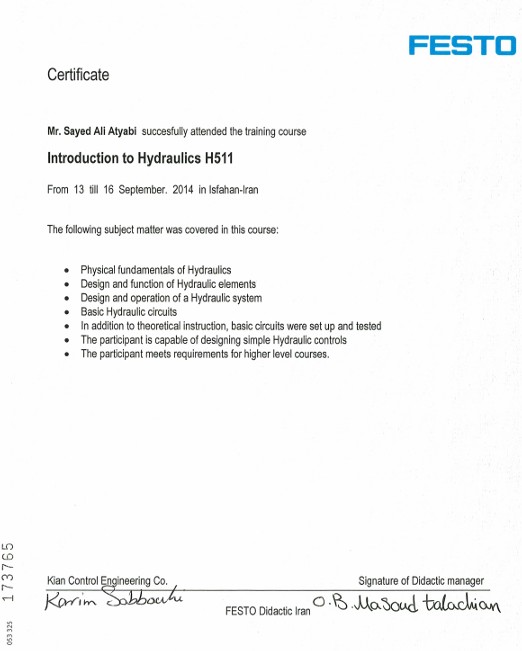
Introduction to Hydraulics Certificate
Introduction to Hydraulics (H511)
FESTO Didactic & Kian Control Engineering Co.
Issued: September 2014
Hydraulics Fluid Power Hydraulic Systems
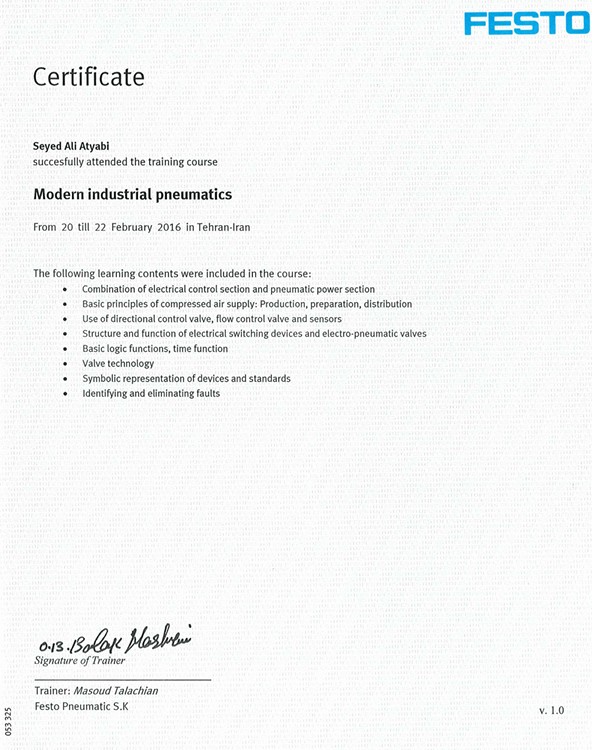
Modern Industrial Pneumatics Certificate
Modern Industrial Pneumatics
FESTO Pneumatic S.K.
Issued: February 2016
Pneumatics Electro-Pneumatics Industrial Automation
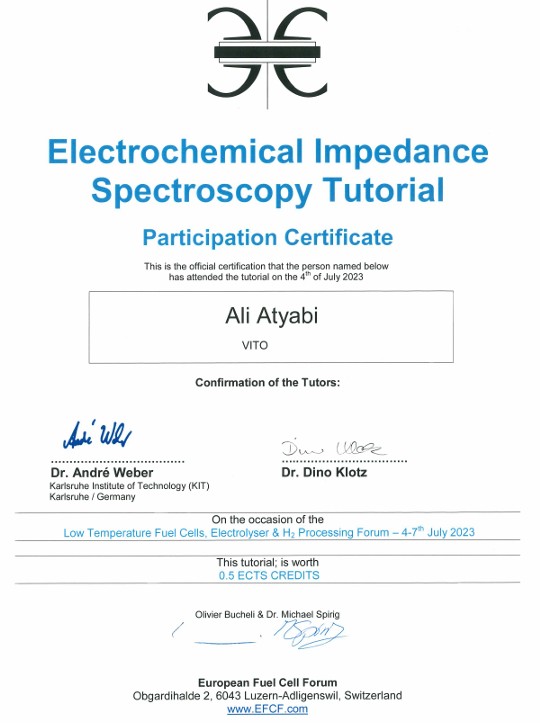
Electrochemical Impedance Spectroscopy Tutorial Certificate
Electrochemical Impedance Spectroscopy Tutorial
European Fuel Cell Forum (EFCF)
Issued: July 2023
Electrochemistry (EIS) Fuel Cells & H₂ 0.5 ECTS Credits
Reviewer of journal of International Hydrogen Energy
International journal of Hydrogen Energy (Reviewer)
United Kingdom
Issued: 2023
PEMFC Hydogen Energy
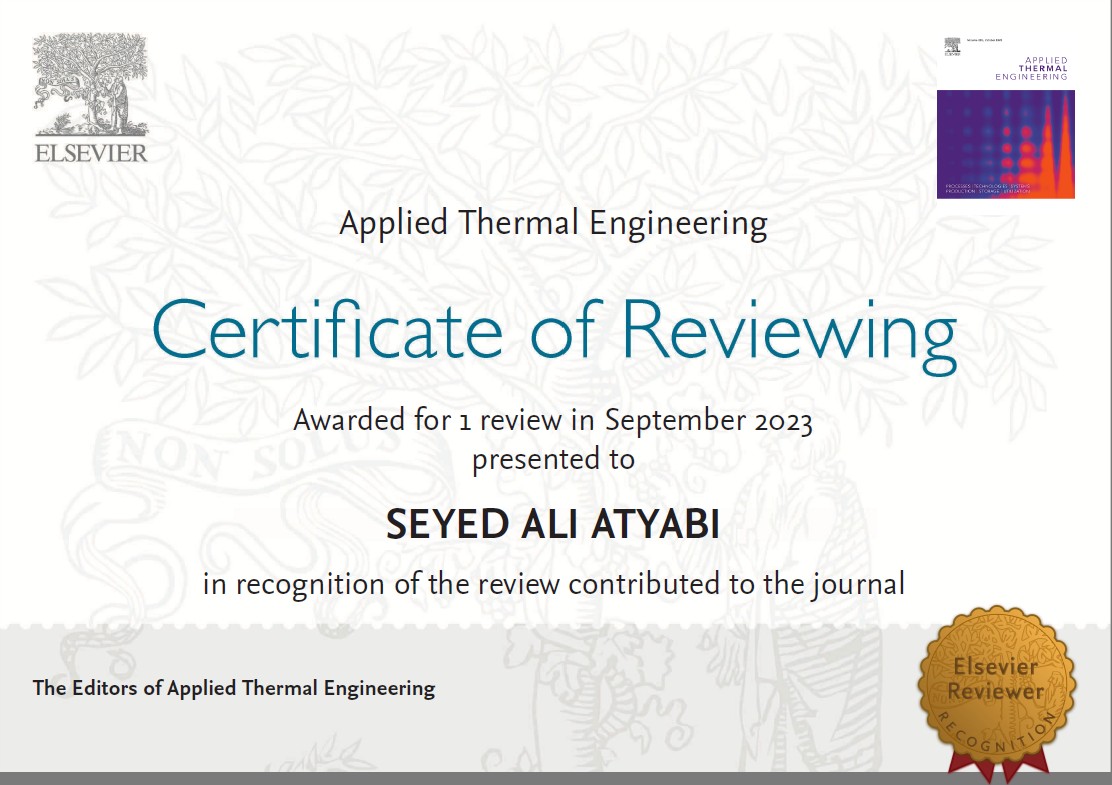
Journal of  Applied thermal engineering (Reviewer)
Journal of Applied thermal engineering (Reviewer)
United Kingdom
Issued: 2023
Thermal engineering Heat transfer Energy

Honors & Awards

Top-ranked team, Rahneshan National Problem-Solving Competition

University of Isfahan
2020

Rahneshan is a national, industry-partnered problem-based competition organized by the National Elites Foundation in collaboration with industrial companies across a range of engineering fields. In the competition's first edition, a University of Isfahan student team, including Ali Atyabi, achieved a top ranking for a project on Li-ion battery cooling for electric vehicles.

Recognized as an Exceptional Talent

National Elites Foundation
2014

Formally recognized as an exceptional talent by the National Elites Foundation.

First place, M.Sc. cohort

Isfahan University of Technology
2014

Ranked first among all M.Sc. Mechanical Engineering (Energy Conversion) students.